 By Andrew Howard

Understanding the lifespan of hybrid batteries is crucial for Audi owners and enthusiasts alike. As electric vehicles gain popularity, the performance and durability of their batteries become a significant concern. Audi, renowned for its engineering excellence, has developed hybrid systems that aim to balance efficiency with longevity, offering drivers both power and sustainability.
The battery technology used in Audi hybrids is designed to withstand the challenges of daily driving while maintaining optimal performance. Factors such as charging cycles, temperature variations, and driving habits play a pivotal role in determining the overall lifespan of these batteries. As hybrid technology evolves, it’s essential to explore how Audi’s specific innovations contribute to the longevity of their battery systems.
In this article, we will delve into the key components that affect the lifespan of Audi hybrid batteries, examining both the technological advancements and practical implications for users. By understanding these facets, Audi owners can make informed decisions regarding maintenance and battery care to maximize the longevity of their hybrid vehicles.
Factors Influencing Audi Hybrid Battery Lifespan
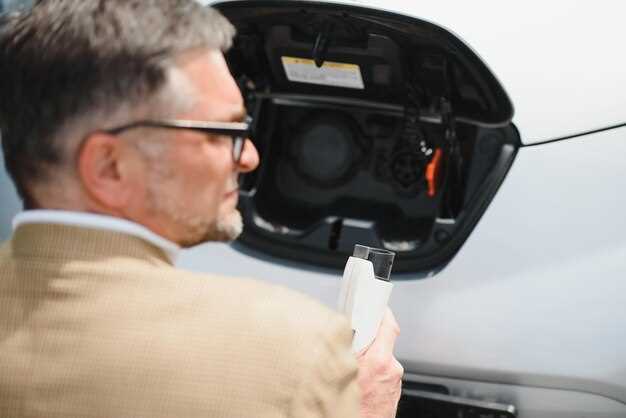
Understanding the factors that affect the lifespan of Audi hybrid batteries is crucial for owners looking to maximize the performance and longevity of their vehicles. Several key elements contribute to the degradation and overall life expectancy of these batteries.
- Temperature Control: Extreme temperatures can significantly impact battery health. High temperatures can accelerate degradation, while cold temperatures can reduce capacity. Maintaining an optimal operating range is essential for longevity.
- Charging Practices: How and when a hybrid battery is charged can influence its life. Frequent fast charging can lead to increased heat generation and stress on the battery. Consistent regular charging is generally recommended for optimal lifespan.
- Cycling Depth: The depth of discharge plays a vital role. Batteries that are regularly discharged to low levels and then charged fully tend to have shorter lifespans. Keeping the battery within a moderate charge level can help extend its life.
- Driving Habits: Aggressive driving and frequent acceleration can put additional stress on the battery. Smooth driving promotes efficiency and helps in maintaining battery health over time.
- Regular Maintenance: Adhering to a regular maintenance schedule can identify potential issues before they become serious problems. Regular checks on battery health can help in prolonging its lifespan.
By understanding and managing these factors, Audi hybrid owners can enhance the durability and efficiency of their hybrid batteries, leading to better performance and reduced operational costs over time.
Signs of Degradation in Audi Hybrid Batteries
Degradation of hybrid batteries in Audi vehicles can be identified through several key signs. One of the most noticeable indicators is a decrease in overall battery performance. Owners may experience reduced acceleration compared to when the vehicle was new, indicating that the hybrid battery is not delivering its full power output.
Another sign of battery degradation is a diminished electric-only range. Audi hybrids are designed to utilize electric power efficiently; however, over time, the range in which the vehicle can operate solely on battery power may shrink significantly. If drivers find themselves frequently relying on the internal combustion engine, it may signal the gradual decline of the hybrid battery’s capacity.
In addition, fluctuating battery levels can be a warning sign. When the battery struggles to hold a charge or displays erratic behavior on the dashboard, it can suggest internal cell imbalance or damage within the battery pack. This can lead to inconsistencies in performance and may require attention from a professional technician.
Lastly, unusual noises or smells emanating from the battery compartment should not be overlooked. Overheating or physical damage can result in harmful emissions or sounds, indicating that the hybrid battery is experiencing serious issues that need to be addressed promptly.
Best Practices for Extending the Life of Audi Hybrid Batteries
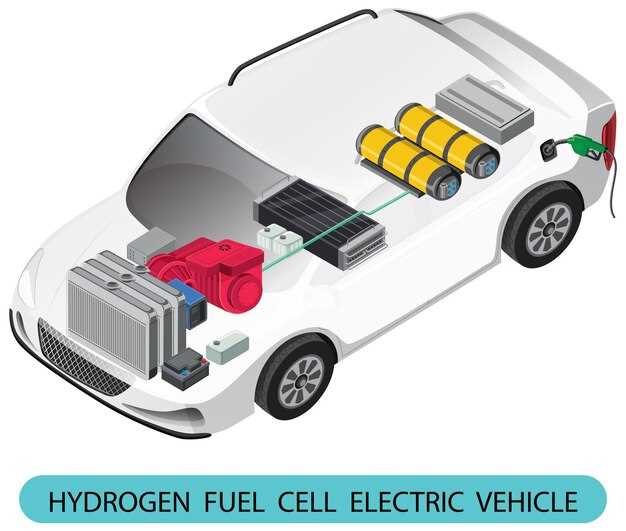
To maximize the lifespan of Audi hybrid batteries, it is essential to adhere to a few key practices. First, regularly monitoring the battery’s state of charge can prevent deep discharging, which can significantly reduce battery capacity over time. It is advisable to keep the battery charge level between 20% and 80% to promote optimal health.
Another important aspect is temperature management. Ensuring that the vehicle is not exposed to extreme temperatures–both hot and cold–can help maintain battery performance. Whenever possible, park the vehicle in shaded areas or use a garage to shield it from excessive heat.
Consistent use of the hybrid system is beneficial as well. Engaging the hybrid mode regularly allows the battery to cycle through charging and discharging, which can enhance its longevity. Infrequent use can lead to a phenomenon known as battery degradation.
Routine maintenance is crucial, too. Regularly scheduled maintenance checks by certified professionals can help identify any potential issues with the battery system early on, ensuring that the battery remains in good working order for a longer period.
Lastly, optimizing driving habits can contribute to extending the battery’s lifespan. Smooth acceleration and deceleration, along with moderate speeds, can reduce stress on the battery and improve overall efficiency, ultimately leading to a longer battery life.