 By Andrew Howard

The transmission system, specifically the gearbox, is a critical component in any Audi vehicle, responsible for transferring power from the engine to the wheels. Over time, a variety of issues can arise within this complex machinery, leading to performance problems and potential breakdowns. Understanding common transmission problems can help Audi owners identify symptoms early and avoid costly repairs.
Among the most frequent issues reported are slipping gears, where the vehicle unexpectedly shifts out of gear, and unusual noises coming from the gearbox during operation. These signs often indicate underlying mechanical issues that require immediate attention. Additionally, fluid leaks, erratic shifting patterns, and warning lights can also signify that the transmission is in distress and may need service or replacement.
Repairing transmission problems in Audi vehicles can be a significant financial commitment, as the complexity of the gearbox often necessitates specialized tools and expertise. Understanding the potential expenses associated with diagnostics, repairs, or even a complete gearbox replacement can aid in budgeting and decision-making for Audi owners facing these challenges. Ultimately, timely intervention not only preserves the longevity of the vehicle but can also mitigate higher costs in the long run.
Common Issues with Audi Gearboxes and Their Symptoms

Audi vehicles are known for their performance and engineering excellence, but even the best can face transmission issues. Understanding common gearbox problems can help drivers identify symptoms early and mitigate repair costs.
-
Delayed Shifting:
One of the most common symptoms of transmission issues in Audis is a delay in gear shifting. This may manifest as a hesitation before the transmission engages when accelerating. Drivers might notice a lag while accelerating or during downshifting.
-
Unusual Noises:
Grinding, clunking, or whining noises when changing gears can indicate severe transmission problems. Sounds that occur during shifting or while the car is in neutral could signify worn-out components.
-
Fluid Leaks:
Transmission fluid leaks are a major red flag. If you detect puddles of red or brown fluid beneath your vehicle, it may point to issues such as damaged seals or gaskets. Low fluid levels can lead to overheating and serious damage.
-
Warning Lights:
The appearance of warning lights on the dashboard, particularly the check engine or transmission warning light, should not be ignored. These indicators often suggest potential transmission malfunctions that require immediate attention.
-
Slipping Gears:
If your Audi suddenly slips out of gear while driving, it is a critical transmission issue. This can lead to loss of power and control, posing a safety risk.
-
Overheating:
An overheating transmission can cause significant damage. Signs include a burning smell or excessive heat from the transmission area, which often results from low fluid levels or internal damage.
Recognizing these symptoms early can save Audi drivers from costly repairs. Regular maintenance and timely checks can help ensure the longevity of the transmission system.
Cost Breakdown for Audi Transmission Repairs and Services
When it comes to Audi transmission repairs and services, understanding the cost breakdown is essential for owners to plan their budgets effectively. Various factors contribute to the overall expenses, including diagnostic tests, parts, labor, and the type of transmission system.
First, diagnostic tests typically range from $100 to $200. This initial assessment is crucial to identify any underlying issues with the transmission, such as fluid leaks, electrical problems, or mechanical failure. A thorough diagnosis ensures that repair strategies accurately target the problems at hand.
Next, labor costs can vary significantly based on the complexity of the repair. On average, labor rates range from $100 to $150 per hour. Simple repairs, such as fluid changes or filter replacements, may take 1-2 hours, whereas comprehensive repairs like rebuilding or replacing the transmission can require upwards of 10-20 hours of labor.
Parts constitute a significant portion of the expenses. For minor repairs, costs for components like gaskets, solenoids, or sensors may fall between $50 and $300. However, if a full transmission replacement is required, the costs can escalate drastically, often ranging from $3,000 to $7,000 depending on the model and year of the Audi. Remanufactured or aftermarket transmissions might offer a more budget-friendly alternative, generally priced between $1,500 and $4,000.
Additionally, fluid services, which include transmission fluid replacement, can cost between $150 and $300. Regular maintenance of the transmission system is crucial and can help prevent more severe and expensive failures in the future.
In summary, the cost of Audi transmission repairs and services can vary widely based on diagnostics, labor, parts, and maintenance needs. Audi owners should be prepared for a potential range of $200 to over $7,000 depending on the specific issues and treatments required for their vehicles.
DIY Tips for Audi Transmission Maintenance and Troubleshooting
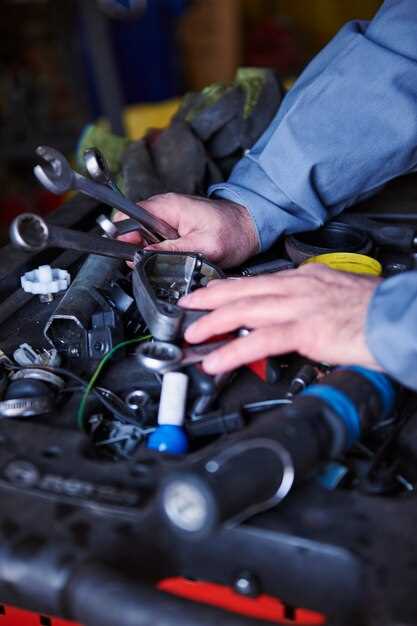
Maintaining the gearbox of your Audi is essential to ensure its longevity and performance. Regular maintenance can help prevent costly repairs and minimize the risk of transmission problems. Here are some DIY tips to keep your Audi’s transmission in optimal condition.
First, regularly check the transmission fluid level. Low fluid levels can lead to overheating and excessive wear on the gearbox components. Use the dipstick to assess the fluid level and add the appropriate transmission fluid if necessary. Make sure to use the fluid recommended by the manufacturer for your specific Audi model.
Next, inspect the transmission fluid condition. Look for any signs of contamination, such as discoloration or a burnt smell. If the fluid appears dirty or degraded, it’s time for a transmission fluid change. Flushing the system and replacing the old fluid with fresh fluid can help restore gearbox performance and prevent issues.
Additionally, pay attention to any unusual noises or grinding sensations when shifting gears. These can be indicators of underlying transmission problems. If you notice these symptoms, it’s crucial to troubleshoot further. Begin by checking for error codes using an OBD-II scanner. This can provide insight into specific issues that may need to be addressed.
Regularly inspect the transmission mounts for wear and tear. Damaged or worn mounts can affect the alignment of the gearbox, leading to vibration and increased strain on the components. Replacing worn mounts is a straightforward DIY task that can help maintain gearbox stability.
Finally, ensure that all electrical connections related to the transmission are secure and free of corrosion. Loose or corroded connections can disrupt the functionality of transmission sensors, impacting overall performance. Cleaning and securing these connections can prevent problems and enhance the reliability of your Audi’s gearbox.