 By Andrew Howard

The braking system of your Audi is a crucial component that ensures your safety on the road. As one of the most vital systems in any vehicle, brakes require regular maintenance to function effectively. Brake service plays an essential role in keeping the performance at its peak, preventing potential accidents, and extending the life of your Audi. Ignoring the signs of wear or neglecting scheduled maintenance can lead to serious consequences, not only for the vehicle but also for the occupants.
Understanding when to service your brakes is equally important. Factors such as mileage, driving habits, and the type of terrain can influence the frequency of brake service. Manufacturers often provide guidelines, but regular inspections are vital for identifying issues early. This guide aims to inform Audi owners about the signs that indicate the need for brake service and provide a timeline to help them make informed decisions about their vehicle maintenance.
By prioritizing brake service, you not only ensure reliable stopping power but also contribute to a smoother driving experience and overall vehicle longevity. Maintaining your Audi’s brake system is an investment in your safety and the performance of your vehicle, making it essential for any responsible owner.
Understanding When to Replace Audi Brake Pads
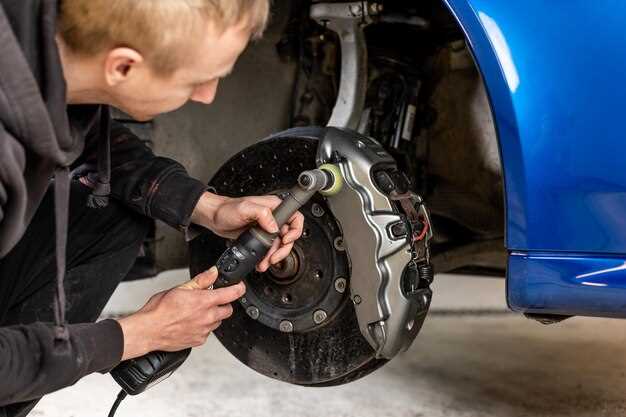
Brake pads are a critical component of your Audi’s braking system, and their timely replacement is essential for ensuring optimal performance and safety. Over time, brake pads wear down due to friction, and knowing when to replace them can help prevent further damage to your vehicle.
Typically, Audi brake pads should be replaced every 30,000 to 70,000 miles, but this can vary based on driving habits, terrain, and the specific model. Regular maintenance checks can help you monitor the condition of your pads. Look for signs such as squeaking or grinding noises, which indicate that the pads are worn and may need immediate attention.
Visual inspections can also provide valuable information regarding the thickness of your brake pads. If the pad material appears to be less than 3 millimeters thick, it is time to consider replacing them. Additionally, if you notice uneven wear on the pads or experience a decrease in braking performance, a replacement is necessary.
Monitoring brake pad life not only ensures your safety but also preserves the integrity of other brake components, such as rotors. Failing to replace worn pads can lead to costly repairs down the line. Always consult your Audi service manual and adhere to manufacturer-recommended schedules for brake maintenance.
In summary, understanding the signs of wear and when to replace your Audi brake pads is key to maintaining a safe and efficient braking system. Stay attentive to your vehicle’s needs, and prioritize timely brake service to ensure peace of mind on the road.
Key Signs Indicating a Need for Brake Service on Your Audi
Identifying early signs that your Audi requires brake service is essential for maintaining safety and performance. One of the most common indicators is a squeaking or grinding noise when you apply the brakes. This can suggest that the brake pads are worn and need replacement. If left unaddressed, this can lead to more serious damage.
Another sign is a soft or spongy brake pedal. If you notice that your brake pedal feels less responsive or requires more effort to engage, it may indicate that there is air in the brake lines or a fluid leak, necessitating immediate service.
Additionally, if your car pulls to one side while braking, it could mean uneven wear on the brake pads or issues with the brake calipers. This not only affects braking performance but can also create safety risks.
Pay attention to warning lights on your dashboard. Many modern Audi vehicles are equipped with brake warning indicators that can alert you to potential issues. If a warning light illuminates, it’s crucial to schedule service as soon as possible.
Finally, if you experience vibrations or pulsations in the brake pedal during braking, this could be a sign of warped rotors. This condition can significantly impair your braking efficiency and requires prompt attention.
Being aware of these signs will help you ensure your Audi’s brakes are in optimal condition, providing you with safety and peace of mind while driving.
What to Expect During an Audi Brake Service Appointment
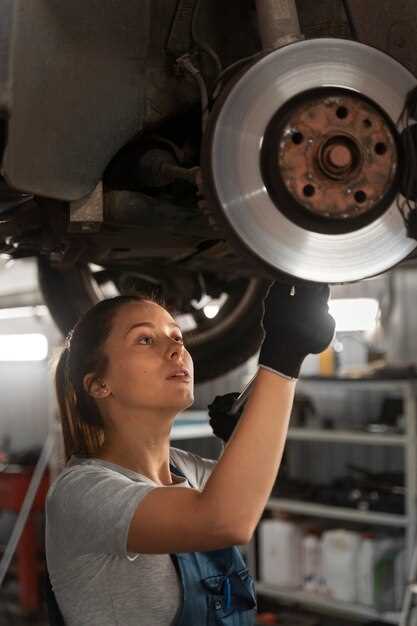
When you bring your Audi in for a brake service, there are several key aspects that will be covered to ensure your vehicle’s braking system is functioning optimally.
- Initial Inspection: The technician will first conduct a visual inspection of the brake components, including the brake pads, rotors, and calipers. This step helps in identifying any immediate issues that need attention.
- Brake Pad Assessment: The thickness of the brake pads will be measured. If the pads are worn down beyond a certain limit, they will need to be replaced to maintain braking efficiency and safety.
- Fluid Check: The brake fluid level and condition will be examined. Old or contaminated fluid can lead to brake failure, so it may be necessary to flush and replace it during the service.
- Testing: A test drive may be performed to evaluate the performance of the brakes under real driving conditions. The technician will listen for any unusual sounds and check for vibrations that could indicate potential problems.
After the inspection is complete, the technician will discuss the findings with you and recommend any necessary services or repairs.
- Replacement Services: If the brake pads or any other components need replacement, the technician will provide you with a detailed estimate of parts and labor.
- Final Check: Once repairs or replacements are made, the technician will perform a final check to ensure everything is properly installed and functioning.
By understanding what to expect during an Audi brake service appointment, you can feel confident in the maintenance of your vehicle’s braking system.